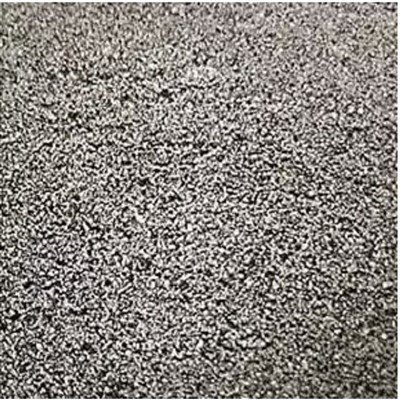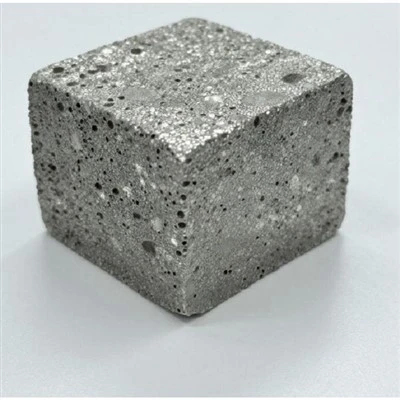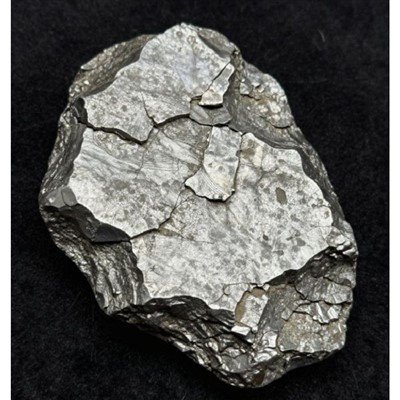

High-quality silicon carbide of different specifications90% SiC for premium/high-performance melts (better quality, lower inclusions, efficient Si/C recovery):
Higher active silicon and carbon content delivers stronger, faster deoxidation and recarburization. It reacts more completely with oxygen, achieving cleaner melts with much lower residual oxygen. Fewer impurities mean significantly reduced non-metallic inclusions, less slag, and minimal contamination risks. This leads to improved steel cleanliness, better mechanical properties, stronger graphite nucleation in cast iron, and more uniform microstructure. It is especially suited for high-end applications requiring low inclusions and precise control. Although the unit price is higher, less material is needed, resulting in better overall efficiency and lower long-term costs.
70% SiC for economical/general processes:
Lower active silicon and carbon content provides weaker and less complete deoxidation and recarburization. More impurities generate additional slag and can introduce greater variability in melt chemistry. It remains adequate for basic carbon steel, ordinary gray iron, primary deoxidation in large furnaces, or general preconditioning where extreme cleanliness is not required. The main advantage is significantly lower upfront cost, making it suitable for high-volume, lower-specification production where higher addition rates can compensate for the reduced purity.
In practice: Most foundries and steel plants keep both grades in stock and switch between them depending on the specific alloy requirements, furnace type, process stage, and cost considerations. For example, the lower grade is often used for bulk or early-stage treatment, while the higher grade is reserved for final adjustments or premium alloys.