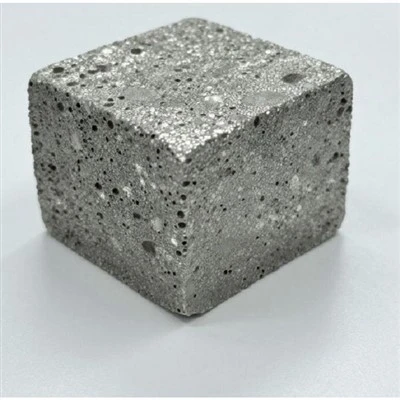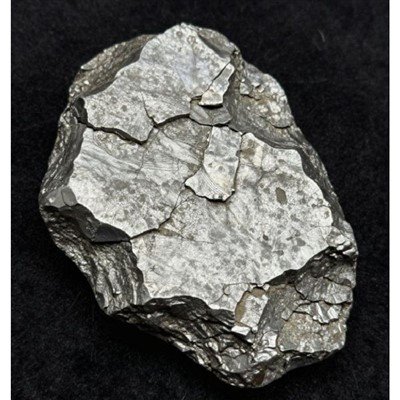


High Purity Titanium Metal | Technical Product Guide
High-purity titanium metal serves as a critical structural and functional raw material for extreme environments requiring high strength-to-weight ratios and exceptional corrosion resistance. Available in forms such as bars, plates, and melting stock, our material is processed via Vacuum Arc Remelting (VAR) to ensure a uniform grain structure and strict compliance with international aerospace and industrial standards.
[Visual Proof Guide for Web Team]: Publish a sharp, well-lit photo of the titanium bar and plate stockyard. The image must clearly display stampings of Heat Numbers, clean edge conditions, and anti-rust protective wrapping.
Key Features
High Strength-to-Weight Ratio: Retains structural integrity under elevated mechanical stress while minimizing assembly dead weight.
Passivation & Corrosion Resistance: Naturally forms a stable, self-healing titanium dioxide (TiO2) protective film in aggressive chemical and marine environments.
Biocompatibility: Features low cytotoxicity and excellent osseointegration properties for surgical applications.
Controlled Metallurgy: Multi-stage VAR processing eliminates internal macro-segregation and gaseous inclusions.
Key Specifications
|
Standard Grades |
ASTM Grade 1, Grade 2, Grade 5 (Ti-6Al-4V), Grade 23 (Ti-6Al-4V ELI). |
|
Form Factors |
Round bar, rod, plate, sheet, wire, and custom forging stock. |
|
Dimensional Standards |
Manufactured strictly to ASTM B348, ASTM B265, ASTM F136, or customer-engineered blueprints. |
|
Surface Condition |
Peeled, centerless ground, polished, or as-rolled. |
Chemical Composition
|
Element |
Grade 1 |
Grade 2 |
Grade 5 (Ti-6Al-4V) |
|
Nitrogen (N) |
0.03 |
0.03 |
0.05 |
|
Carbon (C) |
0.08 |
0.08 |
0.08 |
|
Hydrogen (H) |
0.015 |
0.015 |
0.0125 |
|
Iron (Fe) |
0.20 |
0.30 |
0.40 |
|
Oxygen (O) |
0.18 |
0.25 |
0.20 |
|
Aluminum (Al) |
- |
- |
5.50 - 6.50 |
|
Vanadium (V) |
- |
- |
3.50 - 4.50 |
|
Titanium (Ti) |
Balance |
Balance |
Balance |
Applications
Compressor blades, airframe structural fasteners, and hydraulic tubing systems.
Spinal fixation devices, trauma plates, and orthopedic joint replacements.
Chlorine-alkali diaphragms, pressure vessels, and shell-and-tube heat exchangers.
Seawater desalination components and offshore riser systems.
anufacturing & Quality Control
Melting Practice: Double or triple Vacuum Arc Remelting (VAR) furnaces utilized to control microstructures and reduce interstitial gas scatter.
Laboratory Analysis: In-house optical emission spectrometry (OES) combined with inert gas fusion thermal conductivity analyzers for precise measurement of Oxygen, Nitrogen, and Hydrogen.
Non-Destructive Testing (NDT): Ultrasonic testing (UT) executed per AMS 2631 / ASTM B594 parameters to verify internal soundness.
Quality Management: Operations governed by ISO 9001 and AS9100 aerospace quality standards.
Packaging & Shipping
Protective Packaging: Individually bundled and packed inside export-grade wooden crates or heavy-wall steel tubes lined with anti-corrosion plastic film to eliminate shipping friction and environmental contamination.
Traceability Marking: Each piece is low-stress die-stamped or laser-etched with exact Heat Numbers, Grade designations, and Size metrics.
Logistics: Dispatched via sea or air cargo with complete export clearance documentation.
Documentation
Every delivery lot is dispatched with a complete verification package:
- Mill Test Report (MTR): Certified per EN 10204 3.1, detailing actual heat chemical analysis and mechanical tensile test data.
- Certificate of Conformance (CoC).
- Packing List and Commercial Invoice.
MOQ & Lead Time
Minimum Order Quantity (MOQ): 100 kg per size/grade for stock material (smaller sample quantities evaluated upon request).
Lead Time:
- Standard Stock: 5 to 7 business days.
- Custom Rolling / Forging: 3 to 5 weeks based on mill schedule and testing requirements.
Frequently Asked Questions
Q: Are Mill Test Reports (MTRs) provided before the goods leave the factory?
A: Yes. Digital MTR copies are sent to your engineering team for formal review and sign-off prior to crating.
Q: Do you accept third-party inspections (TPI)?
A: Yes. We routinely accommodate on-site inspections by independent verification bodies such as SGS, Bureau Veritas, or TÜV.
Q: How do you prevent interstitial gas contamination during processing?
A: Interstitial oxygen and nitrogen are monitored strictly through raw material feedstock selection, controlled VAR chamber parameters, and post-melt inert gas fusion testing on every individual heat.
Request a Quote
To receive a formal quotation within 24 hours, please supply the following parameters:
1.Material Grade and ASTM Specification (e.g., ASTM B348 Grade 5)
2.Product Form & Dimensions (Outer Diameter, Length, Thickness, Width)
3.Total Quantity Required
4.Destination Port or Delivery Zip Code
5.Special Testing or Third-Party Inspection Requirements
Hot Tags: high purity titanium metal, China high purity titanium metal manufacturers, suppliers, High Carbon Silicon Granules