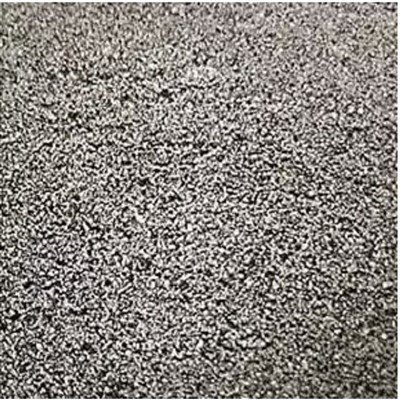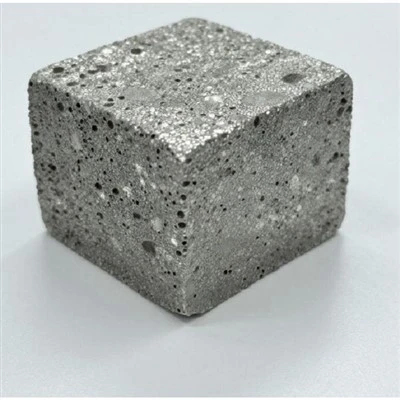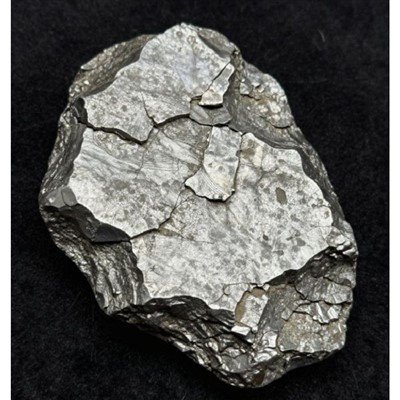


Calcined petroleum coke (CPC), characterized by its high carbon content, low sulfur and ash levels, and excellent electrical and thermal conductivity, is primarily used in electrolytic aluminum prebaked anodes (accounting for over 70% of applications), as a carbon additive in steel smelting, in graphite electrode manufacturing, and as a reducing agent in the production of silicon carbide, industrial silicon, and yellow phosphorus. It plays a crucial role in enhancing metallurgical product quality and optimizing production efficiency.
Aluminum Industry (Core Applications): Calcined petroleum coke serves as the primary raw material for producing prebaked anodes and anode paste required in the electrolytic aluminum production process. It supplies carbon elements at high temperatures for electrolysis, enabling the smelting of aluminum.
Steel and Ferroalloy Industry (Carbon Additive): Used as a carbon additive in steelmaking and foundry industries to enhance the strength, hardness, and carbon content of steel.
Graphite Electrode Production: Graphite electrodes required for electric arc furnace steelmaking.
Chemical and Metallurgical Reducing Agents: In the production of industrial silicon, silicon carbide, and yellow phosphorus, calcined petroleum coke serves as a high-purity carbon reducing agent.
Carbon product processing: Used to manufacture carbon structural materials such as carbon brushes and brake pads.
Titanium dioxide production: Serves as a reducing agent to assist in the production of high-quality pigments.