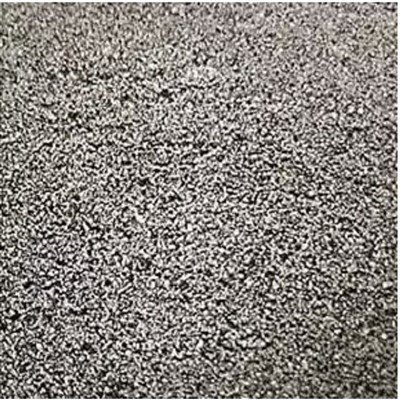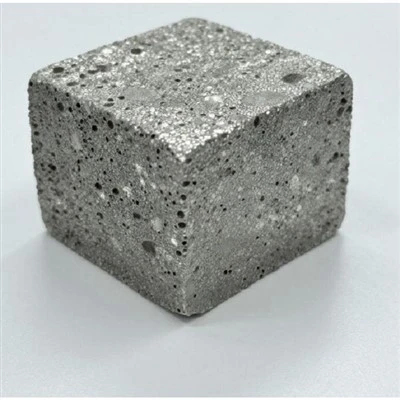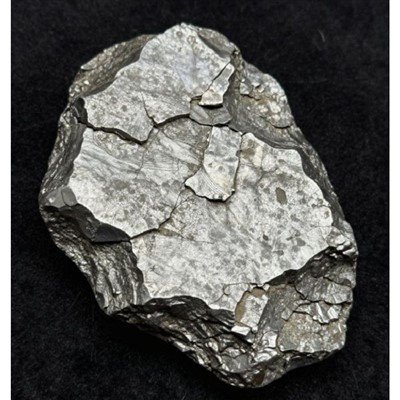

Metal materials have a variety of functions, mainly including electrical conductivity, thermal conductivity, ductility, strength and corrosion resistance. Metal materials are usually solid at room temperature (except mercury), have a unique metallic luster, are excellent conductors of electricity and heat, and have ductility, high density and high melting point.
Specific functions and applications
Conductivity and thermal conductivity: Metal materials have good electrical and thermal conductivity, which makes them widely used in power transmission, electronic equipment, heat exchangers and other fields. For example, copper and aluminum are often used in the production of wires and cables due to their high conductivity.

Ductility: Metals can be easily drawn into filaments or beaten into thin sheets, which makes them very useful in making thin foils, wires and certain precision parts. For example, gold and silver are often used in the manufacture of precision instruments and electronic components.
Strength and hardness: Many metals have high strength and hardness, which makes them widely used in construction, bridges, automobile manufacturing and other fields. For example, steel is a basic structural material and is called the "skeleton of industry".
Corrosion resistance: Stainless steel is a corrosion-resistant metal material, often used in environments that require corrosion protection, such as kitchen utensils, medical equipment, etc. Stainless steel prevents corrosion by forming a strong chromium oxide film on the surface.