

I. Export Market: Growth in Both Volume and Quality; Japan, South Korea, and India Remain the Top Three Destinations
In terms of total exports, from January to February 2026, the total volume of carbon additives (including calcined anthracite) exported nationwide reached 64,374.988 tons, an increase of 10,655.708 tons compared to the same period last year, representing a year-on-year rise of 19.84%. Of this total, exports for February alone amounted to 24,654.255 tons, representing a year-on-year increase of 7.45%. Industry analysts believe that with the steady recovery of the global steel industry, exports of calcined anthracite are expected to continue their growth trend throughout the year.
In terms of export destination distribution, Japan, South Korea, and India remain the top three markets for China's carbon additive exports. In February 2026, these three countries collectively accounted for 42.21% of the month's total exports; in the cumulative exports from January to February, their combined volume represented 55.86% of the total, while the top ten trading partners accounted for 79.97% of the total volume.
Other key export markets include the Netherlands, Poland, Malaysia, Indonesia, Thailand, Mexico, and Taiwan, China, indicating that China's calcined anthracite has established a diversified and widely distributed export network within the global metallurgical supply chain.
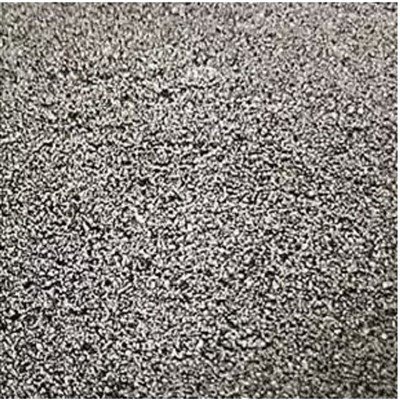
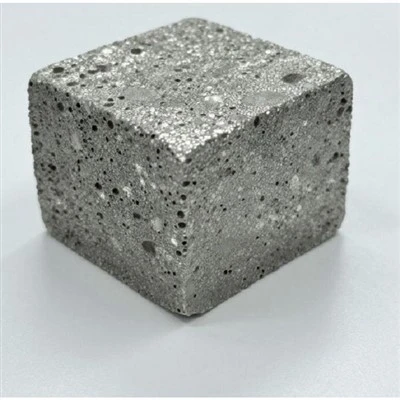
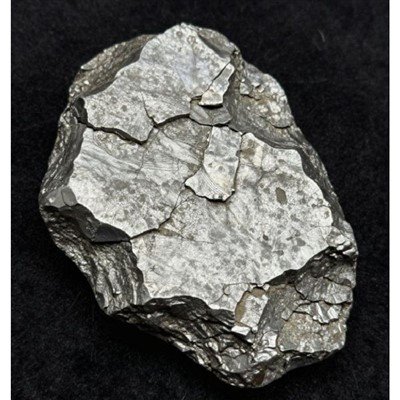
Calcined anthracite refers to high-quality anthracite that has undergone high-temperature calcination (typically at 1,200°C to 1,500°C) to remove volatile matter, moisture, and other impurities; the finished product features high fixed carbon content, low sulfur and nitrogen levels, and minimal impurities. Globally, the calcined anthracite market is dominated by high-fixed-carbon grades (94C–95C), which are primarily exported to high-end foundry and steelmaking customers overseas.

II. Industry Trends: High-End, Green, and Concentrated
From the perspective of industry trends, the market for coal-based carbon additives in 2026 will exhibit the core characteristics of "upgraded demand, market consolidation, and green constraints," maintaining a steady growth trajectory overall.
Upgraded Demand: The share of electric arc furnace (EAF) steel production in the global steel industry continues to rise (reaching 14.2% by 2025). Growing demand for specialty steel and high-end castings will continue to drive consumption of high-purity coal-based carbon additives with fixed carbon content ≥94% and sulfur content ≤0.3%. The market share of such products is expected to increase from 35% to over 40%.
Green Constraints: As environmental policies tighten, the production of calcined coal-based carbon additives faces significant constraints from regulations on industrial furnace emissions, dust control, and dual-control of energy consumption. European and American customers are paying increasing attention to the carbon footprint and green production certifications of products, and exporters must monitor new trade regulations resulting from the EU Carbon Border Adjustment Mechanism.
Market Consolidation: Leading enterprises in production clusters such as Shandong, Hebei, and Shanxi are capturing market share by leveraging their resource and technological advantages. Small and medium-sized enterprises are being forced out of the market due to environmental and cost pressures, and industry concentration will continue to rise.

III. Trade Advisory: Monitor Policy Changes and Strengthen Quality Control
For foreign trade enterprises engaged in the export of calcined anthracite, we recommend focusing on the following areas:
Environmental Compliance and Certification: The EU's Carbon Border Adjustment Mechanism (CBAM) has gradually entered the implementation phase. Products exported to the European market are subject to carbon footprint calculation requirements. We recommend that enterprises proactively pursue ISO and carbon footprint certifications to enhance the international competitiveness of their products.
Focus on High-Quality Exports: Products with high fixed carbon specifications (94C–95C) are commanding strong prices in the international market, with demand primarily driven by export orders. Exporters are advised to intensify efforts in developing and promoting high-quality products.
Strict Quality Control: Overseas customers are imposing increasingly stringent requirements on indicators such as fixed carbon content, sulfur content, and particle size stability. It is recommended that companies provide third-party testing reports to ensure product quality meets international standards.
Monitor Geopolitical and Trade Policy Risks: Potential shifts in the U.S. tariff framework have triggered risks of global supply chain volatility. We recommend that enterprises closely monitor policy developments in major export markets and implement diversified market strategies.
Conclusion
With the ongoing recovery of the global manufacturing sector and the growing prominence of China's calcined anthracite products in international markets-thanks to their comprehensive cost advantages and consistent quality-China's calcined anthracite exports are expected to maintain steady and sustained growth on a path of high-quality development by 2026, playing an increasingly important role in the global supply chain for metallurgical carbon materials.