
The working principle of carbon additives mainly includes the following aspects:
Decomposing carbon deposits: The main components of carbon additives such as polyetheramine (PEA) and polyisobutyleneamine (PIBA) have strong surface activity, which can decompose carbon deposits attached to engine injectors, intake valves, spark plugs and other parts during fuel combustion, decompose them into small particles, and discharge them from the engine through exhaust gas.
Preventing carbon deposits from forming: These additives can also disperse substances such as colloids and asphaltene in the fuel to prevent them from agglomerating to form carbon deposits, thereby reducing the formation of carbon deposits. In addition, some additives have antioxidant effects, which can reduce the oxidation reaction of fuel at high temperatures, thereby reducing the formation of deposits.
Improving fuel efficiency: By decomposing carbon deposits and preventing the formation of carbon deposits, carbon additives can improve the atomization effect of the fuel, make the fuel burn more fully, and thus improve the power and fuel economy of the engine.
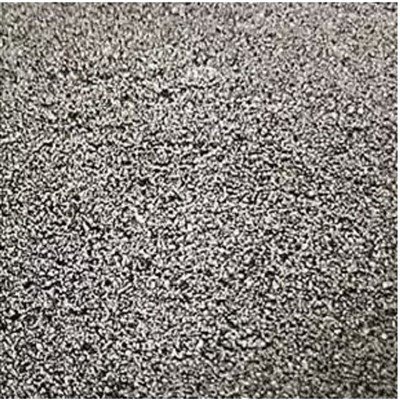
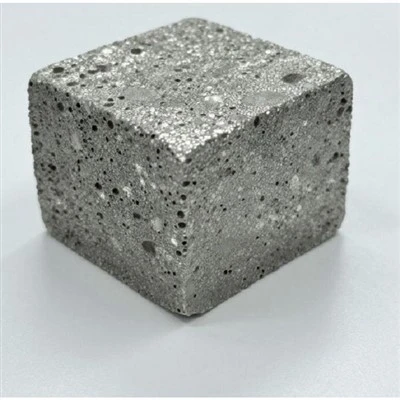
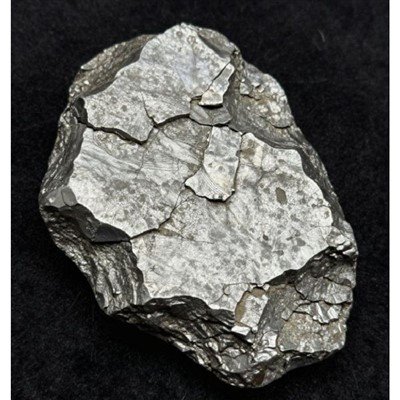
Specific application scenarios: In steel smelting, carburizers are used to supplement the carbon content burned during steel smelting and improve the mechanical properties of castings. There are various types of recarburizers, including artificial graphite, petroleum coke, natural graphite, etc. Each type has its own specific production process and applicable scenarios.