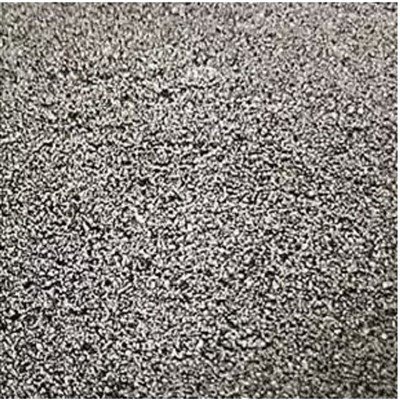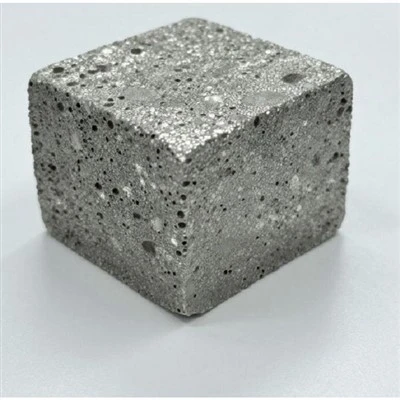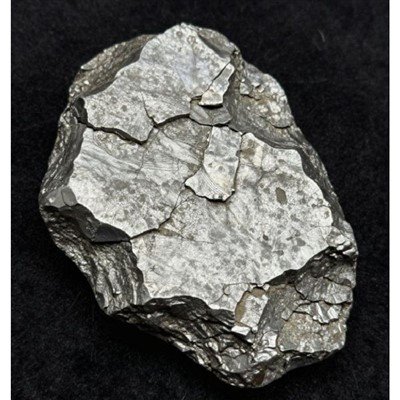

Silicon Carbide (SiC) is a multifunctional inorganic non-metallic material with a wide range of applications in many fields due to its excellent physical and chemical properties. The following are the main uses of Silicon Carbide:
1. Refractory and Corrosion Resistant Materials
Silicon carbide has a high melting point (decomposition temperature of about 2600°C), chemical inertness and resistance to thermal vibration. It is often used to make refractory materials, such as shelves in kilns, saggers, silicon carbide bricks for vertical cylinder distillation furnaces in zinc smelting industry, aluminum electrolytic cell linings, crucibles, etc.
In a high-temperature oxidizing environment, a layer of silicon dioxide protective film will form on the surface of silicon carbide, further enhancing its corrosion resistance.
2. Grinding and Abrasives
The hardness and chemical stability of silicon carbide make it an ideal grinding material for processing glass, ceramics, stone, cast iron, cemented carbide, titanium-based alloys, etc.
It can also be used to make grinding wheels, coated abrasives and non-abrasive tools.
3. Semiconductors and Electronic Devices
Silicon carbide's wide bandgap (2.3-3.3 eV) and high breakdown electric field strength make it an ideal material for high-temperature, high-power electronic devices such as MOSFETs, Schottky diodes, and power modules.
Compared with silicon, silicon carbide devices have lower switching losses and higher efficiency, and are suitable for electric vehicles, aerospace, and wireless communications.
4. Chemical Industry
Low-purity silicon carbide can be used as a deoxidizer for steelmaking, speeding up steelmaking and optimizing steel quality.
It is also used to make chemical raw materials such as silicon tetrachloride.
5. Electric Heating Elements
Silicon carbide is an important raw material for making silicon carbon rods, suitable for various electric furnaces at 1100~1500℃.
6. Other Applications
Silicon carbide can be used to prepare far-infrared radiation coatings, or made into silicon carbide silicon plates for far-infrared radiation dryers.
In high-temperature mechanical parts such as high-temperature furnaces and bearings, silicon carbide is widely used due to its high thermal conductivity and low thermal expansion coefficient.
Summary: Silicon carbide plays an important role in many fields such as refractory materials, grinding, semiconductors, and chemical industries due to its high hardness, high thermal conductivity, chemical stability, and excellent electronic properties. It has significant advantages in high temperature, high power, and high efficiency applications.