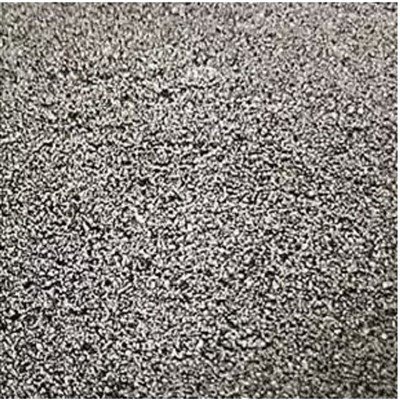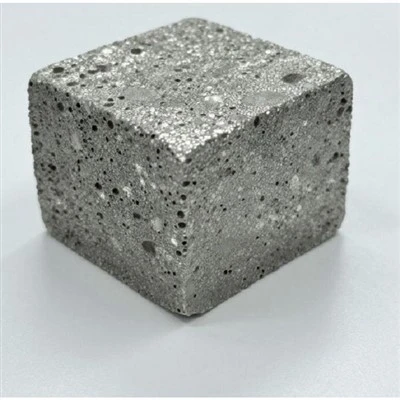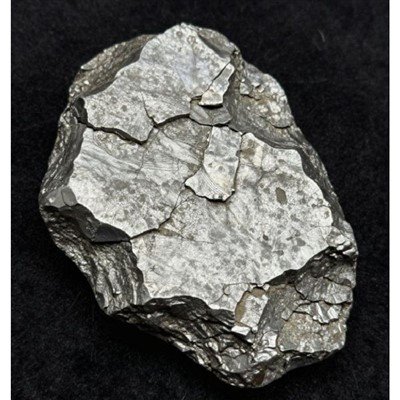

The structure of ferroalloys is mainly determined by its composition and microstructure, mainly including basic organizational structures such as ferrite, cementite and pearlite.
Ferroalloys are alloys formed by the fusion of iron and other elements (such as carbon, manganese, silicon, chromium, etc.). Its structural characteristics include:
Ferrite (F or α-Fe): Ferrite is a solid solution of carbon in α-Fe with a body-centered cubic lattice. Ferrite has poor carbon melting ability and can only dissolve about 0.006% of carbon at room temperature, but the maximum carbon solubility is 0.2% at 723°C. The mechanical properties of ferrite are low strength and hardness, but good plasticity and toughness.
Cementite (Fe₃C): Cementite is a compound of iron and carbon with a chemical formula of Fe₃C. It has a carbon content of 6.67% and a melting point of 1600°C. It has the characteristics of high hardness, high melting point and high brittleness. The mechanical properties of cementite are characterized by high brittleness and almost zero plasticity.
Pearlite (P): Pearlite is a mechanical mixture of ferrite and cementite. Under a microscope, pearlite is characterized by cementite distributed in strips on a ferrite matrix, or in flakes. The mechanical properties of pearlite are between pure iron and cementite, with high strength and good deformation resistance.
In addition, the composition of ferroalloys has a significant effect on their properties. For example:
Carbon content: An increase in carbon content will gradually increase hardness, but flexibility will decrease accordingly.
Alloying elements: Elements such as manganese, silicon, and chromium have an important influence on the properties of steel. Manganese can increase the strength and hardness of steel, silicon can increase the strength and hardness of steel, and chromium can significantly improve the corrosion resistance and oxidation resistance of steel.