
1. Purity & Impurity Difference
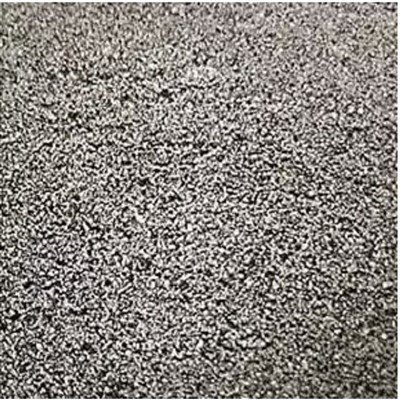
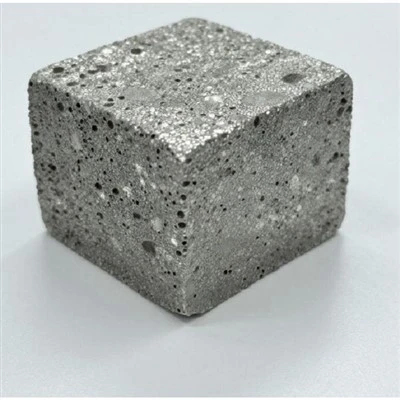
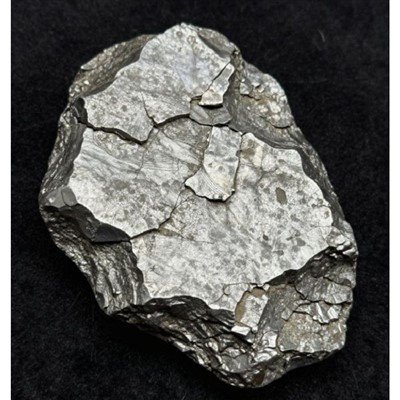
Manganese Metal Mn97 owns higher manganese purity above 97%, with stricter control on iron, phosphorus, sulfur and other harmful impurities. Mn95 has a minimum manganese content of 95%, and allows higher impurity content, with lower raw material refining standard than Mn97.


2. Performance Characteristics Gap
Mn97 features better chemical stability, fewer internal inclusions and lower brittleness, which can significantly improve the mechanical strength and corrosion resistance of finished alloys. Mn95 has general comprehensive performance, basic deoxidation and alloying effect, and is more conventional in product stability.
3. Application & Cost Orientation
Mn97 is mainly used for high-end scenarios such as stainless steel, aerospace alloys and high-grade welding electrodes with strict quality requirements. Mn95 is more suitable for mass production of ordinary carbon steel, cast iron and common chemical raw materials, with obvious price advantage and higher cost performance.

Free consultation for more knowledge about the Mn Metal industry :https://www.cnxhyy.com/
Comparison of Manganese Metal with Different Manganese Contents

Manganese Metal Mn97:With manganese content over 97% and the strictest impurity control, it is ideal for high-end stainless steel, aerospace alloys and premium welding electrode manufacturing.
Manganese Metal Mn96.5:It sits between Mn97 and Mn95 in purity and impurity level, perfectly matching medium-grade steel alloying and standard non-ferrous alloy smelting demands.
Manganese Metal Mn95:As the mainstream economical grade with 95% manganese, it is widely applied in ordinary carbon steelmaking, foundry deoxidation and general chemical industry raw materials.
Manganese Metal Mn93.5:With the lowest purity and higher impurity tolerance, it is mainly used for low-grade steelmaking, rough casting and low-demand metallurgical deoxidation.