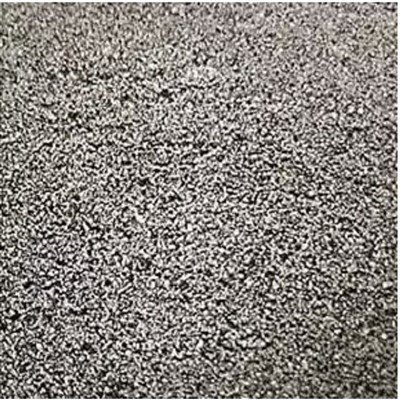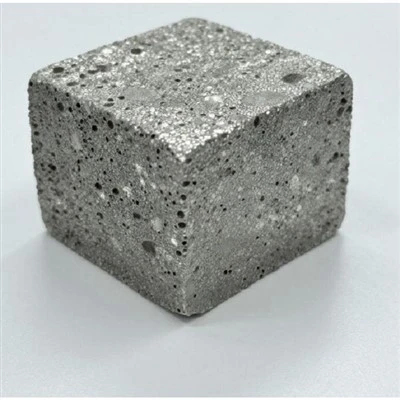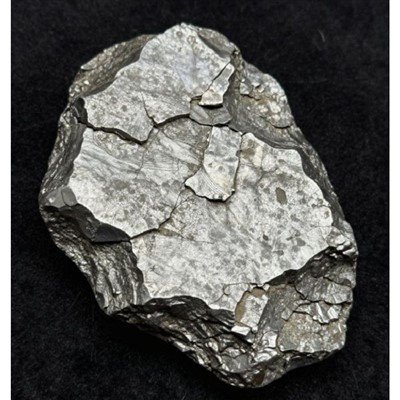

The fundamental difference between high-carbon ferrosilicon and low-carbon ferrosilicon lies in their carbon content, which directly determines their applicable industries, steel grades, and smelting stages.
| Product | High-carbon ferrosilicon |
Low-carbon ferrosilicon |
| carbon content |
Higher (typically 0.1%–0.5% or higher) |
Very low (generally ≤0.05%) |
|
Purity |
relatively low |
higher |
|
Cost |
lower |
higher |
|
Smelting Difficulty |
Standard process |
Requires refining/low-carbon control processes |
|
Main functions |
Deoxidation + Alloying |
Refining and Deoxidation + Carbon Control |
II. Comparison of Application Scenarios

1️⃣ High-carbon ferrosilicon (more "extensive," high cost-effectiveness)
Suitable Applications:
General carbon steel smelting (construction steel, structural steel, etc.)
Cast iron industry (gray iron, ductile iron)
Initial deoxidation stage
Steel grades insensitive to carbon content
Typical Uses:
Initial deoxidation in converters / electric furnaces
Partial replacement of ferrosilicon for cost control
Widespread use in foundries
👉 Keywords: Inexpensive, high consumption, low requirements
2️⃣ Low-carbon ferrosilicon (more "precise," with controlled composition)
Applications:
Stainless steel (e.g., 304 / 316)
Low-carbon steel, ultra-low-carbon steel
Electrical steel (silicon steel)
High-end alloy steel (bearing steel, tool steel)
Typical Applications:
Deoxidation during refining (LF furnace, RH furnace)
Steel grades requiring strict carbon content control
Prevention of "carbon contamination"
👉 Keywords: Low-carbon, high-purity, refining grade

III. Why Make This Distinction?
In steelmaking, carbon is a "sensitive element":
High carbon content → Affects ductility and weldability
Low carbon content → Increases costs and reduces strength (for certain steel grades)
👉 Therefore:
Standard steel: Not sensitive to carbon → Use high-carbon ferrosilicon to save costs
High-grade steel: Strictly controlled carbon content → Must use low-carbon ferrosilicon
IV. A Simple Explanation
Here's an analogy:
High-carbon ferrosilicon = "Economy-grade raw material"
Low-carbon ferrosilicon = "Precision-grade raw material"