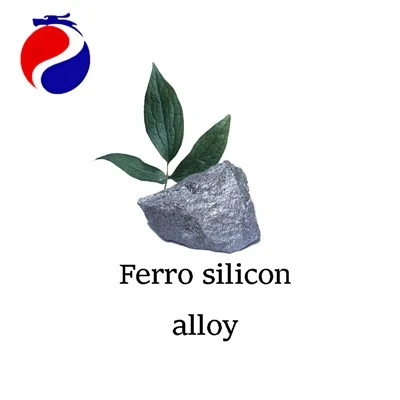


FeSiMg nodulizer is added to molten iron (1450–1500°C) in ductile iron production to convert flake graphite into spherical nodules for better strength and ductility.
The simplest method is the sandwich process: place FeSiMg lumps at the ladle bottom, cover with steel scrap, pour hot iron on top to trigger a controlled reaction that desulfurizes and spheroidizes graphite (addition: 0.8–2.0% by weight). Follow immediately with ferrosilicon inoculation and quick pouring into molds to lock in the nodularity before fade occurs.
Right after the nodulizing reaction (which lasts 1–3 minutes and often produces a brief "mushroom" flame from burning magnesium), you must immediately inoculate the iron with ferrosilicon or other inoculants to refine the graphite nodules and prevent chill or fade. The treated iron is then poured quickly into molds before the magnesium effect fades (usually within 10–20 minutes). Proper temperature control, low sulfur base iron (80–90%) and avoid defects like dross, slag inclusions, or misshapen nodules. When done correctly, FeSiMg treatment turns brittle gray iron into a tough, ductile material widely used for automotive parts, pipes, wind-turbine components, and heavy machinery castings.